Joint Meditation Retreat
Wed, Sep 25 - Sun, Sep 29, 2024
Location: Atammayataram Buddhist Monastery
The retreat features a well-organized schedule that includes meditation sessions, Dhamma talks, and vegetarian meals, allowing participants to enhance their Buddhist practice in a tranquil monastic environment.
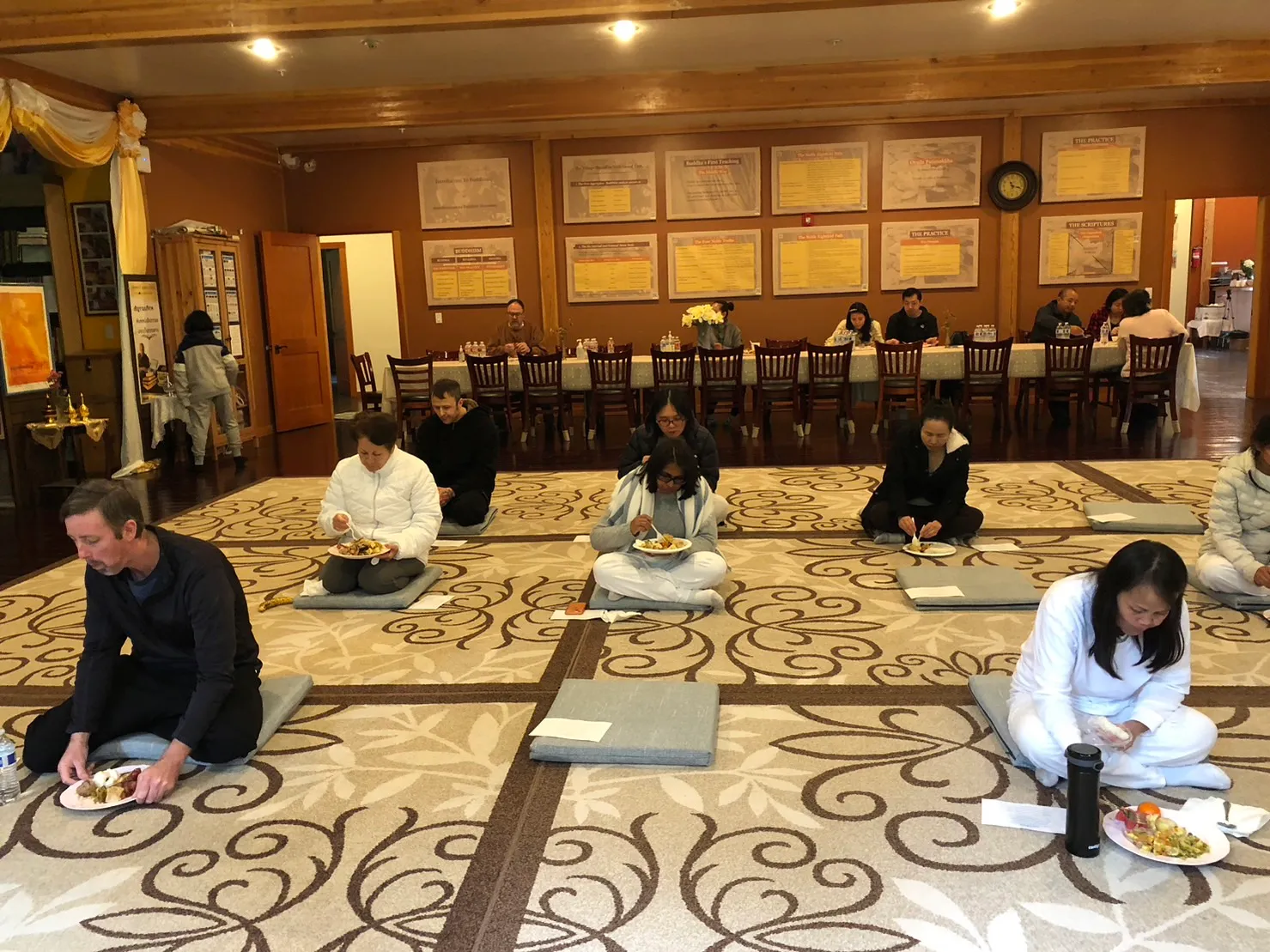
Join us for the September joint retreat hosted by Atammayatarama Monastery, the Council of Thai Bhikhu in the USA, and the Lay Ministry of Buddhist Religion of North America.
This seminar-meditation event provides breakfast, lunch, and dinner. Observing the Eight Precepts is optional for participants. Attendees can choose to stay overnight or commute daily.
For more information, please contact Ajahn Ritthi at (425) 773-1789 or Ajahn Jackris at (425) 481-6640.
Weekend Meditation Retreat Daily Schedule
Friday
- Arrive at the monastery and check-in by 6:30pm
- 7:00pm – Orientation
- 7:30pm-9pm – Chanting, Dhamma Talk, and Meditation
- 9:00pm – Self-practice or Retire to Sleeping Arrangements
Saturday
- 5:00am – Morning Wake-up Bell, Self-practice
- 6:00am – Morning Chanting and Meditation
- 7:00-8:00am – Light Continental Breakfast and Break
- 8:00-11:00am – Dhamma Talk and Group Meditation
- 11:00am-12:00pm – Mindfulness Lunch
- 12:00-1:00pm – Break
- 1:00-2:00pm – Dhamma Talk/Practice Time
- 2:00-4:00pm – Walking Meditation Instruction and Practice
- 4:00-6:00pm – Sitting and Walking Meditation Practice
- 6:00-7:00pm – Setup for Evening Service or Silent Mindfulness
- 7:00-8:15pm – Evening Chanting and Meditation
- 8:15-9:00pm – Tea Break and Dhamma Talk
- 9:00pm – End of Retreat (overnight guests may continue practice)
Sunday
- Before 8:00am – Remove sleeping arrangements (for overnight guests)
- 9:30am – Join the Monastery’s Sunday Service (optional)
ABM Retreat Guide
Introduction
Welcome to the Atammayataram Buddhist Monastery and Meditation Center (ABM). Founded in 1998 by Venerable Ajahn Rithi and Buddhists in Washington State, ABM began with small meditation groups on Wednesdays due to space limitations. The new meditation hall, opened on September 30, 2012, now accommodates more participants in monthly meditation retreats.
Our retreats offer a quiet, secluded environment for study, contemplation, and meditation. Designed for weekends or Saturdays, we ask participants to commit to the full retreat period. You’ll learn meditation techniques and be introduced to the Buddha’s teachings on the Four Noble Truths and the Noble Eightfold Path.
General Information
A weekend retreat, especially for beginners, can be challenging. You’ll need to adjust to:
- Early rising and less sleep
- Following a meditation schedule
- Consuming only 2 vegetarian meals per day
- Dealing with physical discomfort
Your body and mind may initially react with discomfort, restlessness, boredom, doubt, or fatigue as they adapt to these new circumstances.
Preparation
For a successful retreat:
- Free yourself from all commitments
- Avoid phone calls, emails, texts, and social media (except in emergencies)
- Ensure you’re in good physical and mental health
- Note: This retreat is not suitable for those with mental disorders or drug addictions
What to Bring
- Loose, modest clothing (covering shoulders to below knees, including upper arms)
- Slippers (shoes are removed in all buildings)
- Personal toiletries, towel, hand mirror for shaving
- Sleeping bag, tent (for summer)
Basic Rules
Participants must observe these rules for everyone’s benefit:
- Do not point feet at monks or Buddha statues
- Do not touch monks
- Maintain complete silence throughout the retreat
- Stay within retreat center boundaries
- Follow the Eight Precepts:
- Abstain from killing
- Abstain from stealing
- Abstain from sexual misconduct
- Abstain from lying
- Abstain from intoxicants
- Abstain from eating between noon and dawn
- Abstain from entertainment, jewelry, and cosmetics
- Abstain from luxurious beds and seats
Meditation (Bhavana) or Mind Development
You’ll practice two forms of meditation:
- Mindfulness of Breathing (Anapanasati): Concentration on your breath
- Insight (Vipassana): Awareness of body, feelings, thoughts, and objects, observing their impermanence (anicca), uncontrollability (anatta), and unsatisfactoriness (dukkha)
Meditation cultivates concentration, mindfulness, and awareness. Initial focus will be on concentration meditation through breath awareness.
Detailed instructions and Dharma talks are provided in English, with opportunities to ask monks questions.